
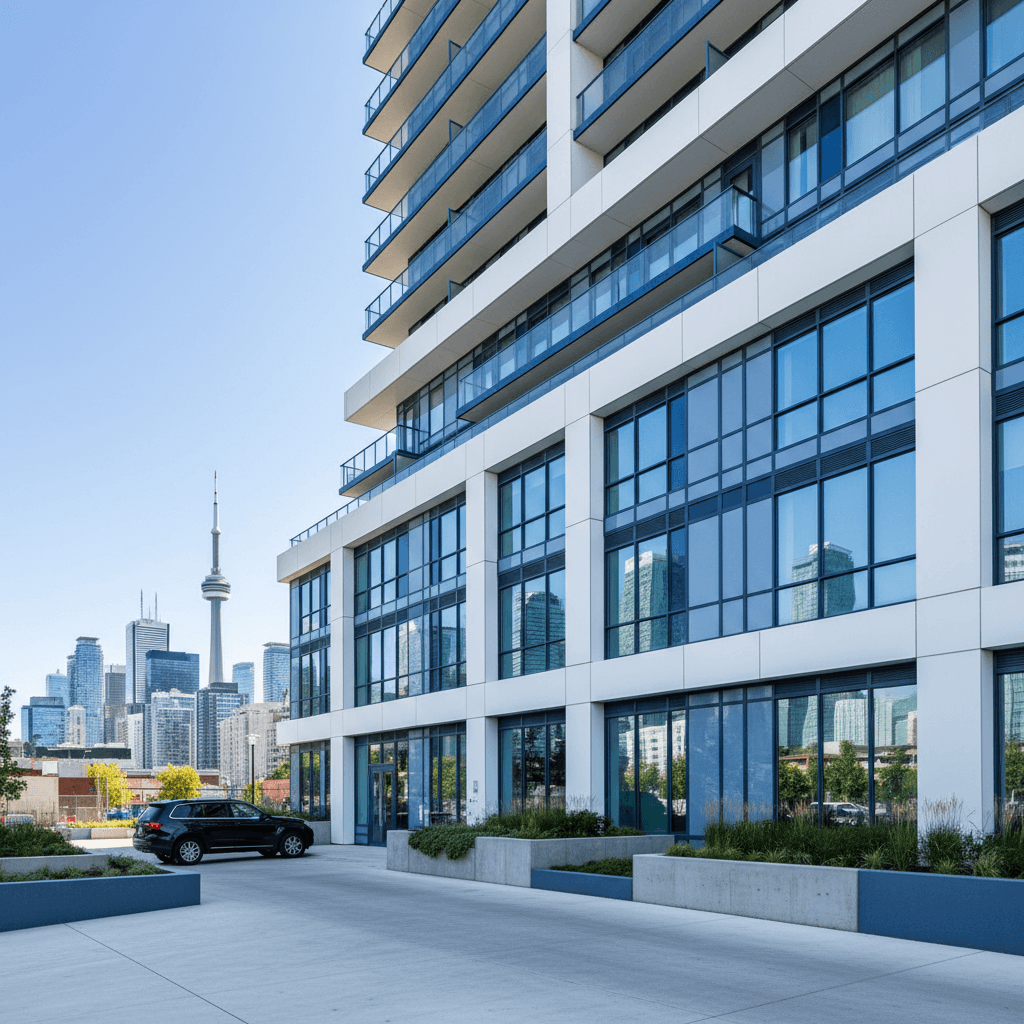
The Investment Landscape in 2026
The GTA real estate investment landscape has shifted meaningfully from the appreciation-driven market of recent years. With prices down 6.5% year-over-year and carrying costs still elevated, investors must rely on fundamentals rather than speculation. The good news: this environment rewards disciplined investors who focus on cash flow, location quality, and long-term value creation.
Rental demand remains robust across the GTA, driven by population growth, limited purpose-built rental supply, and a generation of potential buyers priced out of ownership. These fundamentals make real estate investing viable in 2026, provided you choose the right strategy and the right location.
Strategy 1: Long-Term Buy and Hold
The GTA's fundamentals remain strong for patient investors who focus on cash flow rather than quick appreciation:
- Population growth continues to drive demand even with adjusted immigration targets
- Limited land supply in established neighborhoods supports long-term appreciation
- Rental demand remains strong near transit hubs, universities, and employment centers
- Expected returns: 3-5% annual appreciation plus 3-5% rental yield over a 5-10 year hold
Rental Yield Comparison
| Property Type | Avg. Purchase Price | Monthly Rent | Gross Yield | Net Yield (est.) |
|---|---|---|---|---|
| 1-Bed Condo (Toronto) | $550,000 | $2,200 | 4.8% | 3.0% |
| 2-Bed Condo (Mississauga) | $620,000 | $2,600 | 5.0% | 3.2% |
| Townhouse (Brampton) | $750,000 | $2,900 | 4.6% | 2.8% |
| Detached (Durham) | $830,000 | $3,100 | 4.5% | 2.5% |
| Basement Apartment + Main | $900,000 | $4,500 (combined) | 6.0% | 3.8% |
Properties with legal secondary suites or basement apartments consistently deliver the strongest yields. The Ontario government's push to expand secondary suite permissions has opened new opportunities.
Strategy 2: Value-Add and Renovation
Buying below market value and creating equity through strategic renovation remains one of the most reliable investment approaches:
- Outdated detached homes in desirable neighborhoods: Purchase homes that need cosmetic updates at a discount and renovate to current standards
- Legal basement conversions: Adding a legal second unit can increase property value by $80,000 to $150,000 while generating $1,500 to $2,000 monthly rental income
- Multiplex conversions: Where zoning permits, converting single-family homes to duplexes or triplexes significantly improves cash flow
Renovation ROI Guide
| Renovation | Typical Cost | Value Added | ROI |
|---|---|---|---|
| Kitchen update | $25,000-$40,000 | $35,000-$55,000 | 130-140% |
| Bathroom renovation | $10,000-$20,000 | $15,000-$25,000 | 125-150% |
| Legal basement suite | $40,000-$60,000 | $80,000-$150,000 | 150-250% |
| Exterior/curb appeal | $5,000-$15,000 | $10,000-$25,000 | 150-200% |
| Energy efficiency upgrades | $10,000-$20,000 | $15,000-$25,000 | 125-150% |
Strategy 3: Multi-Unit Residential
Small multi-residential properties (duplexes, triplexes) offer distinct advantages:
- Diversified income streams -- multiple tenants reduce vacancy risk
- Higher cap rates than single-family homes, typically 4-6%
- Favorable financing -- some lenders offer portfolio-style lending
- Strong demand in urban areas with housing supply constraints
Strategy 4: Pre-Construction at Discounted Pricing
Developers are offering significant incentives to move inventory in 2026. Savvy investors can leverage extended deposit structures and below-peak pricing:
- Lower entry cost -- deposits of 10-15% spread over 24-36 months
- Focus on projects near confirmed transit stations (Ontario Line, Eglinton Crosstown, Hurontario LRT)
- Prioritize established developers with strong delivery track records
- Model cash flow conservatively using current rental rates, not optimistic projections
- Tarion warranty protection provides security on new builds
Location Selection: Where to Invest in 2026
Mississauga Investment Opportunities
- Cooksville: $720,000 average -- best cap rates in Mississauga, Hurontario LRT corridor driving future appreciation
- Meadowvale: $870,000 -- strong rental demand from nearby corporate employment
- Clarkson: $1,050,000 -- value play relative to Port Credit with GO Transit access
- Port Credit: $1,250,000 -- premium pricing but strong rental demand and waterfront appeal
Brampton Investment Opportunities
- Bramalea: $880,000 -- highest potential cash flow, established community
- Fletcher's Meadow: $900,000 -- best value for larger properties, strong family rental demand
- Mount Pleasant: $950,000 -- transit-oriented development upside
High-Growth Corridors
- Eglinton Crosstown corridor: Properties within 500 meters of future stations positioned for 15-20% appreciation post-opening
- Ontario Line corridor: East Toronto neighborhoods (Leslieville, East Harbour) stand to benefit significantly
- Durham Region (Oshawa, Whitby): Strongest affordability with improving GO Transit service, average price $830,000
Key Financial Metrics to Evaluate
| Metric | Target | Why It Matters |
|---|---|---|
| Cap Rate | 4-6% | Measures income relative to purchase price |
| Cash-on-Cash Return | 5-8% | Measures return on your actual cash invested |
| Gross Rent Multiplier | 15-20x | Quick screening tool for potential properties |
| Vacancy Rate | Under 5% | Indicates rental demand strength |
Financing Your Investment
With the Bank of Canada rate at 2.25%, investment mortgages are relatively manageable:
- Investment mortgage rates: Typically 4.5-5.5% for non-owner-occupied properties
- Down payment: Minimum 20% required for investment properties
- $900K property: Approximately $3,500/month mortgage payment
- Cash flow target: Aim for rent to cover at least 90% of carrying costs
Risk Management
Every investment carries risk. Protect your capital with these principles:
- Maintain a reserve fund covering six months of carrying costs per property
- Secure fixed-rate mortgages to eliminate interest rate risk over your hold period
- Ensure adequate landlord insurance including liability coverage
- Screen tenants thoroughly using credit checks, employment verification, and references
- Stay current on Ontario's Residential Tenancies Act and landlord obligations
- Monitor municipal regulation changes, particularly around short-term rentals
The Bottom Line
Real estate investment in the GTA in 2026 is not about quick flips or speculative bets. It is about identifying properties with strong cash flow potential, in locations supported by infrastructure investment and population growth, and managing them efficiently over a five to ten year horizon. The current market correction -- with prices down 6.5% and negotiating power firmly in buyers' hands -- has created entry points that were unavailable 18 months ago. Investors who approach this window with discipline and a clear strategy are well-positioned for long-term success.